Political ecology, extraction, and changing socioecological relations in Ucayali, Peru
Extractive Worlds examines how successive extractive economies have shaped landscapes, livelihoods, and human–environment relations in the Peruvian Amazon. Centered in Ucayali, the project traces the enduring effects of extractive industries while asking how new economies and environmental practices emerge within landscapes already structured by extraction.
Background
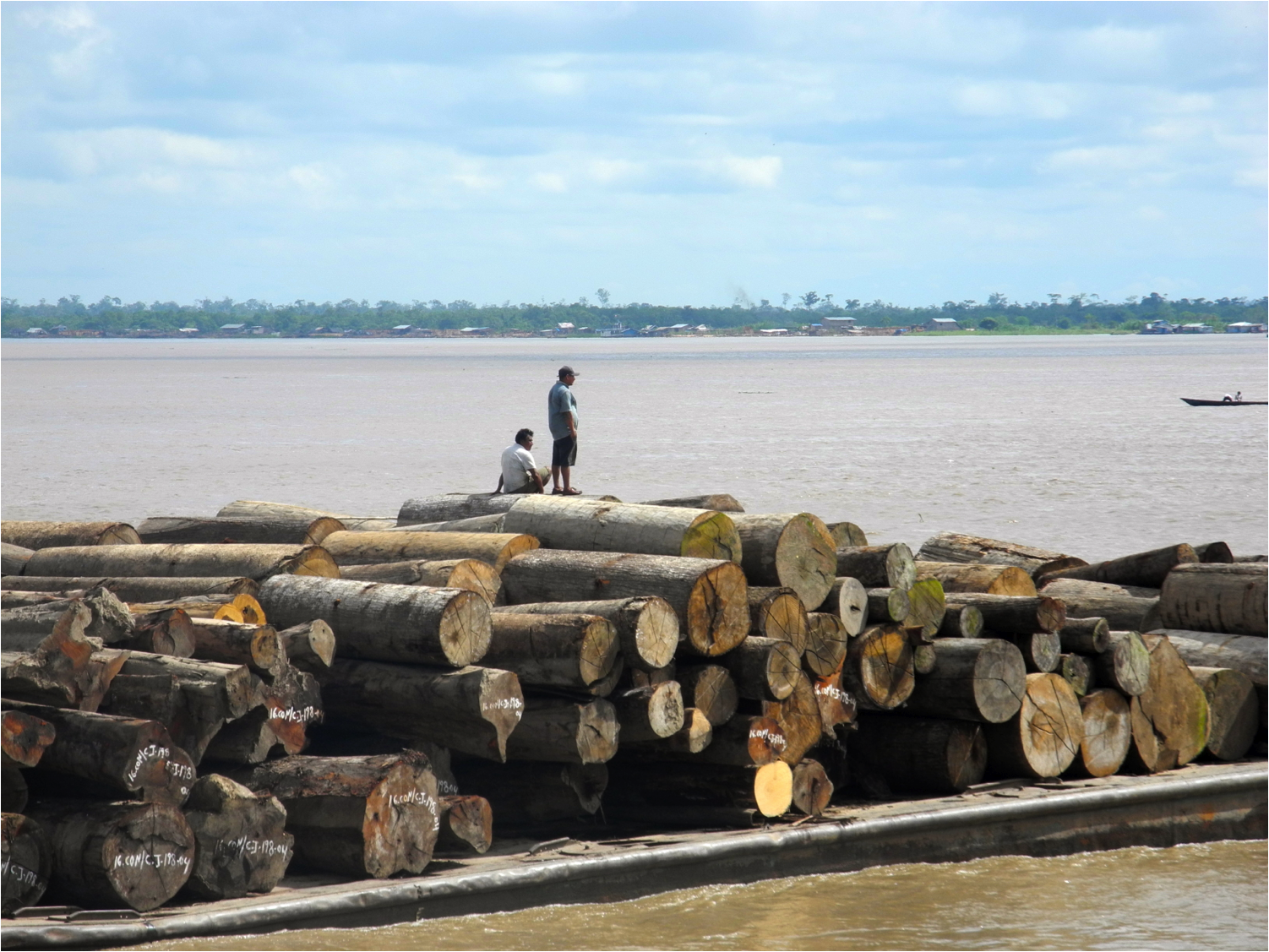
Ucayali has been shaped by successive resource booms and extractive industries, including rubber, timber, oil, and other forms of resource exploitation. These economies have transformed forests and communities while producing persistent inequalities, particularly for Indigenous peoples.
This project examines extraction not simply as neocolonial resource appropriation, but as a broader way of organizing relationships among people, forests, labor, commodities, and territory. It asks how extractive histories continue to shape contemporary environmental politics—and what kinds of alternative relations and economies are becoming possible.
Current research
Current work focuses on the relationships among extractive economies, Indigenous territorial struggles, conservation, and emerging efforts to create more reciprocal relationships with forests and other-than-human life.
The project draws on long-term ethnographic research in Ucayali and informs my current writing on political ecology, Indigenous conservation, and the changing economies of the Peruvian Amazon.
Related work
- Article in development: Extractive Worlds of Ucayali: Resource Frontiers, Indigenous Worlds, and the Materialities of Extraction in the Peruvian Amazon”
- Book project: Ayahuasca and the Cosmopolitics of Healing: Interspecies Entwinements in the Peruvian Amazon
- Indigenous-led conservation and climate justice research
- Farmacia Viva Shipibo Sanken Yaka medicinal forest project

