We just came out with a collaborative essay examining how the COVID-19 pandemic disrupted and reorganized the material circulations that make extractive economies possible. Drawing on research sites across Africa, Asia, and Latin America, we trace how efforts to control the movement of people and resources reshaped extraction, labor, and commodity circulation during the early pandemic.
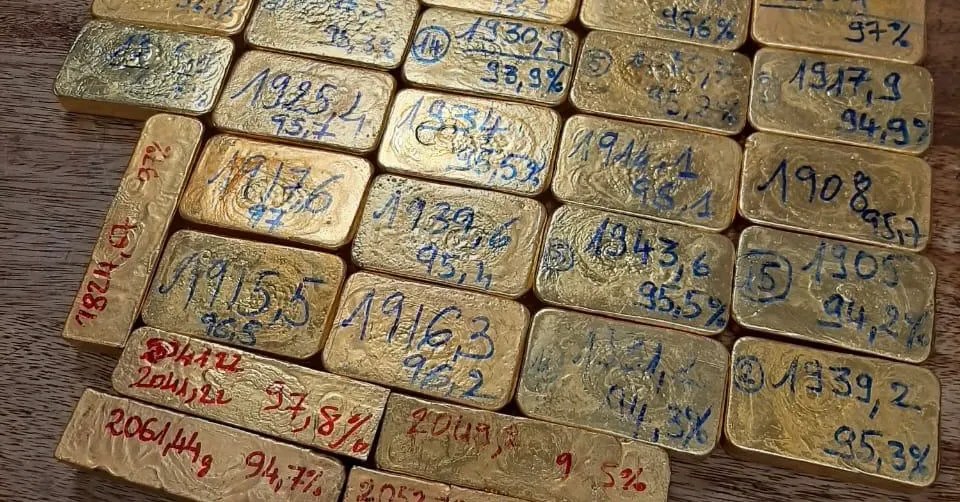
Beginning with the story of Malagasy gold moving through new clandestine routes during COVID, we argue that understanding extractive economies requires looking beyond commodity prices and capital flows to the embodied labor that produces and moves resources.
Across cases involving mining, logging, oil, and other extractive industries, we show how pandemic restrictions created highly uneven outcomes. States and corporations were often able to use crisis conditions to consolidate control, while workers, informal producers, and Indigenous communities faced heightened precarity, mobility restrictions, exposure to illness, and new forms of territorial pressure.
The essay ultimately argues that resource commodities rely on embodied labor: the bodies that extract resources from the earth, transport them, and make global exchange possible. Recovering those bodies from their erasure in global commodity markets helps reveal the unequal and often contradictory effects of crisis on extraction and resource governance.
Published in: Edge Effects, October 14, 2021
Series: 2020 Visions: Imagining (Post-) COVID Worlds