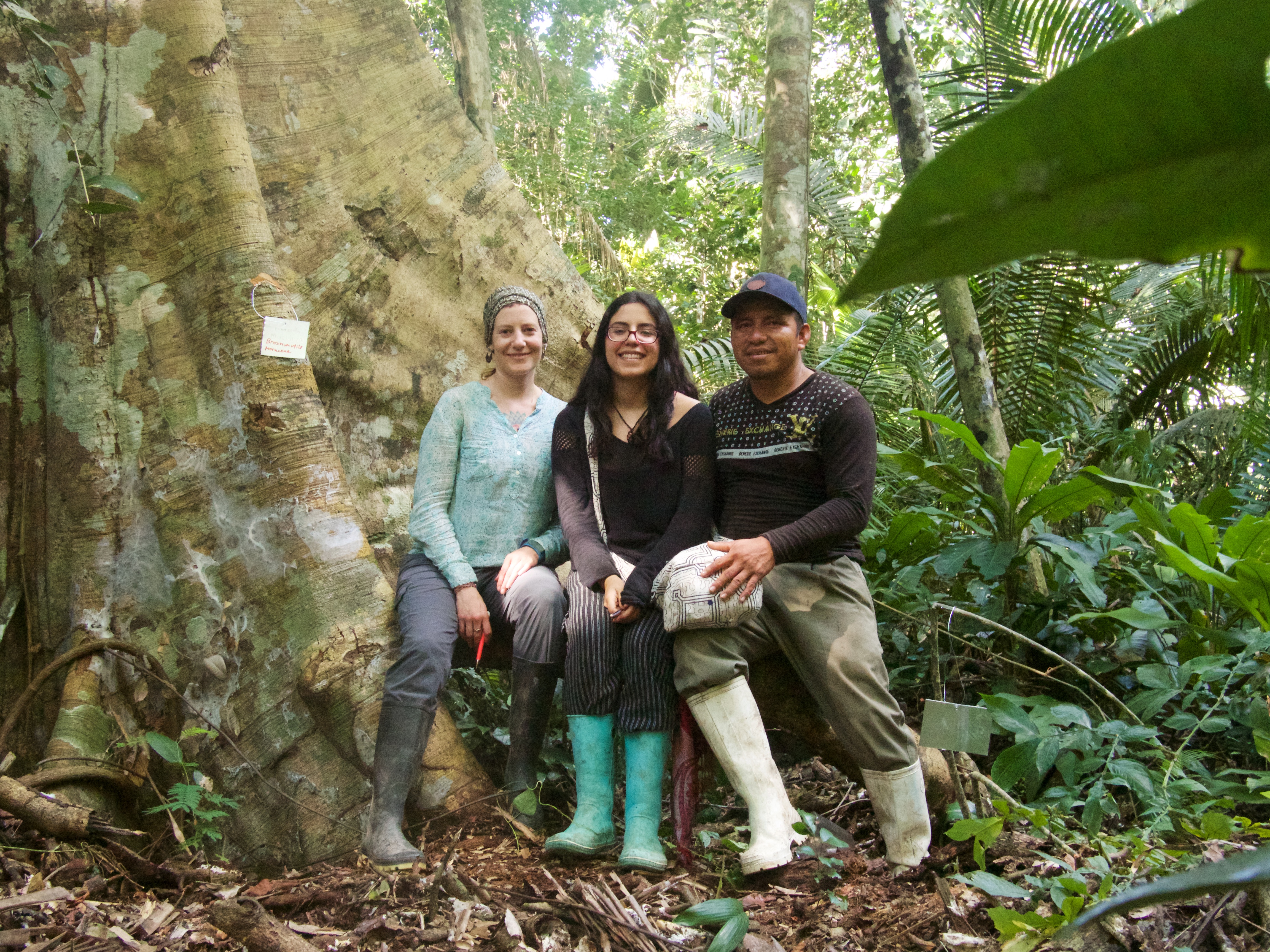
A Shipibo-led medicinal forest reserve for conservation, cultural revitalization, and economic self-sufficiency in Ucayali, Peru
Over the last eight years, I have helped facilitate and advise a community-based participatory research program with a Shipibo committee in Ucayali, Peru. In this role, I supported the committee in creating a 10-hectare medicinal forest reserve named Farmacia Viva Shipibo (Living Shipibo Pharmacy), which is actively managed for the conservation of medicinal plants, ecotourism, intercultural education, and preservation of traditional knowledge.
More-than-human collectives and community conservation
Together, we investigate how more-than-human collectives may contribute to the cultural revitalization and economic self-sufficiency of Indigenous forest communities. The Farmacia Viva committee has catalogued more than 300 plants, built a visitor center, and begun generating revenue through ecotourism.
The project offers a model of community-based conservation grounded in sustaining the relationships, knowledge, and practices through which medicinal forests remain vital.
Current and future research
This research will form the basis of my planned second book, The Living Pharmacy, a self-reflexive analysis of this interspecies and intercultural participatory action research.

