Illegality, absence, and the politics of knowledge
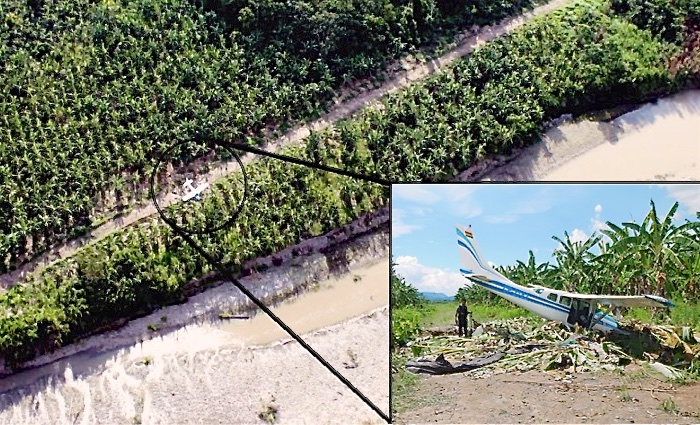
Illicit Geographies is a collaborative research program examining how criminalization shapes landscapes, livelihoods, and what can be known about them. Across this work, we are interested both in the methodological challenges of researching illicit activities and in the political consequences of criminalizing particular crops, practices, and livelihoods.
Ambiguous Spaces, Empirical Traces
With Lauren Withey, Karly Marie Miller, Juliet Lu, and Tracy Hruska, I developed an approach for accounting for absences, uncertainty, and ignorance in research on illicit activities.
Because illicit practices are often intentionally concealed, unevenly documented, or visible only through indirect traces, conventional empirical methods can produce misleading certainty. This work asks how researchers can take absence and ambiguity seriously as part of the empirical landscape rather than simply treating them as missing data.
Criminalized Crops
With Juliet Lu and Margiana Petersen-Rockney, I examine how the construction of particular crops as “illicit” contributes to the further marginalization of smallholders.
This work considers how criminalization reshapes agricultural livelihoods, market access, land-use decisions, and relationships with the state, while often obscuring the political and economic conditions through which illicit crop economies emerge.
Related work
- Article: “Ambiguous Spaces, Empirical Traces” in Progress in Human Geography
- Article: “Criminalized Crops” in Political Geography

